read03
Hi my name is Mariam Al-Shammari #HTML
People access websites using software called a web browser All websites use HTML and CSS, but content management systems, blogging software, and e-commerce platforms often add a few more technologies into the mix.
- Most web pages also include extra content such as images, audio, video, or animations
- When you visit a website, the web server hosting that site could be anywhere in the world. In order for you to find the location of the web server, your browser will first connect to a Domain Name System (DNS) server.
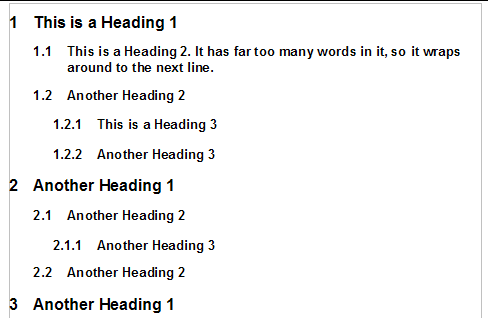
The use of headings and subheadings in any document often reflects a hierarchy of information.
Tags act like containers. They tell you something about the information that lies between their opening and closing tags. Some example:
- Body
- Head
- Title Since the web was first created, there have been several different versions of HTML.
- HTML 4 Released 1997
- XHTML 1.0 Released 2000
- HTML5 Released 2000
DOCTYPES tell browsers which version of HTML you are using. X You can add comments to your code between the markers. X The id and class attributes allow you to identify particular elements.
The new HTML5 elements indicate the purpose of different parts of a web page and help to describe its structure. X The new elements provide clearer code (compared with using multiple elements). X Older browsers that do not understand HTML5 elements need to be told which elements are block-level elements. X To make HTML5 elements work in Internet Explorer 8 (and older versions of IE), extra JavaScript is needed, which is available free from Google.